Private Jet Charter Cost: What You’ll Really Pay in 2026
Most private jet charter cost guides quote an hourly rate in dollars and stop there. The hourly rate is only the start of the answer, and for a trip flown out of the UK or Europe a dollar figure is the wrong currency to plan in. What you actually pay is a trip price, built up from the flying itself and then positioning, handling, landing, crew and tax. That is what we set out below — the per-class hourly range in pounds and euros, and route benchmarks from our own quote book you can plan against.
We are a charter brokerage. We arrange aircraft through EASA AOC-certified operators across Europe and beyond. We do not operate them ourselves, which means we have no rate card to defend and no empty tail to fill. We recommend the aircraft that fits your trip and we quote it plainly. A firm number comes from a quote, because charter is priced per trip, not per seat.
Quick answer: how much to charter a private jet?
A private jet charters for roughly £1,800 to £19,350 per flight hour, all-in (€2,100 to €22,500), and the single biggest driver is the size of the aircraft. A short hop on a light jet starts around £4,050 an hour; a transcontinental heavy jet runs £10,500 to £15,800; a long-range flagship or VIP airliner sits above that again. In trip terms, a short European round-trip on a light jet typically lands between £13,750 and £22,350 (€16,000 to €26,000), a one-way on a midsize or super midsize between £21,500 and £47,250, and an intercontinental leg on a heavy or ultra-long-range jet from £77,300 upward. Our all-in rates already carry positioning, landing and handling; VAT and per-passenger taxes sit on top, which we itemise below.
Private jet, business jet and private plane charter cost, by class
Whether you search for private plane hire, jet rental or charter, the pricing mechanics are the same — the rates below apply across all three.
Aircraft size moves the hourly rate more than anything else. Knowing the class tells you roughly what to expect; the exact number comes from a quote. A turboprop or very light jet is the most affordable, suited to short regional hops; light and super light jets clear most sub-three-hour European legs; midsize and super midsize jets are the continental workhorses with a stand-up cabin; heavy and ultra-long-range jets fly long-haul with a large party; and a VIP airliner offers the largest cabin for group travel.
| Class | Example aircraft | Seats | Typical hourly rate (GBP) | Typical hourly rate (EUR) |
|---|---|---|---|---|
| Turboprop | Pilatus PC-12 NGX, King Air 350 | 6 to 8 | £1,800 to £3,950 | €2,100 to €4,600 |
| Entry level (very light jet) | Citation CJ1, Phenom 100 | 4 to 5 | £3,500 to £5,600 | €4,100 to €6,500 |
| Light jet | Citation CJ3+ / CJ4, Phenom 300 | 6 to 8 | £4,050 to £6,450 | €4,700 to €7,500 |
| Super light jet | Pilatus PC-24, Citation XLS+ | 7 to 8 | £5,500 to £8,500 | €6,400 to €9,900 |
| Midsize jet | Learjet 60XR, Hawker 900XP | 7 to 8 | £7,400 to £11,350 | €8,600 to €13,200 |
| Super midsize jet | Challenger 350, Praetor 600, Gulfstream G280 | 8 to 9 | £7,650 to £13,150 | €8,900 to €15,300 |
| Heavy jet | Challenger 650, Falcon 900, Gulfstream G450 | 9 to 14 | £10,500 to £15,800 | €12,200 to €18,400 |
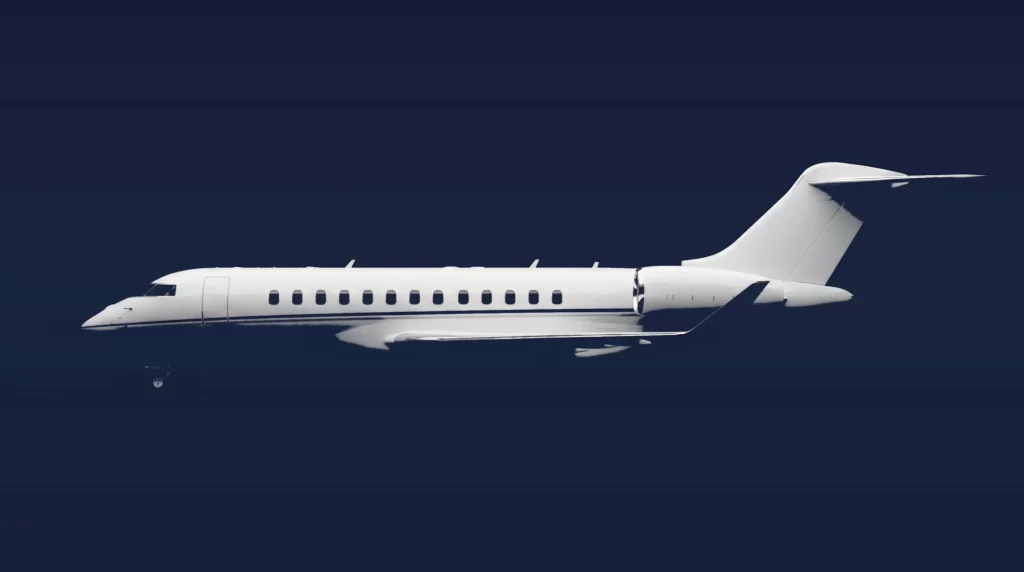
| Ultra long range | Global 7500, Gulfstream G650, Falcon 8X | 12 to 14 | £12,300 to £19,350 | €14,300 to €22,500 |
| VIP airliner | ACJ319 / ACJ320, Lineage 1000 | 19 to 35+ | from £13,300 | from €15,500 |
Sterling figures are converted from our euro book at €1 = £0.8591, the rate on 7 September 2026, and rounded to the nearest £50. We price in euros; the pound column is for planning.
Indicative all-in EUR private jet charter rates, per flight hour. Each figure already carries the aircraft, its crew and fuel, plus the positioning, landing and handling needed to run the trip, on the same basis as our route ‘from’ prices, before VAT and any per-passenger taxes. The range runs from an efficient long leg at the low end to a short European hop, heavy with positioning, at the high end. The firm figure for your dates is always a quote.
For lane-level benchmarks built from the same data (effective hourly rates and per-kilometre costs on Europe’s busiest charter routes), see our quarterly European Private Jet Charter Price Index.
Bands overlap at the edges: a young midsize and an older super light can quote within a few hundred euros of each other. To work out which cabin actually suits your trip, see choosing a jet size.
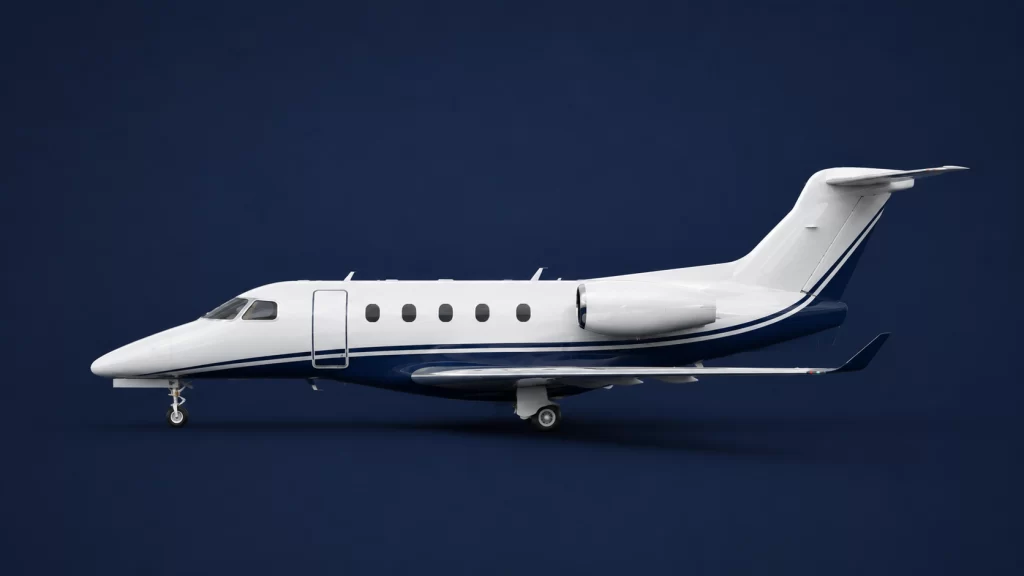
Example aircraft from the table:
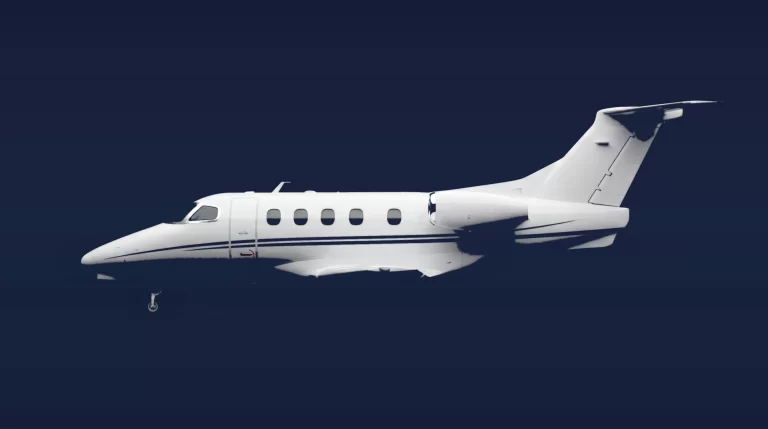
Entry Level Jet
Embraer Phenom 100
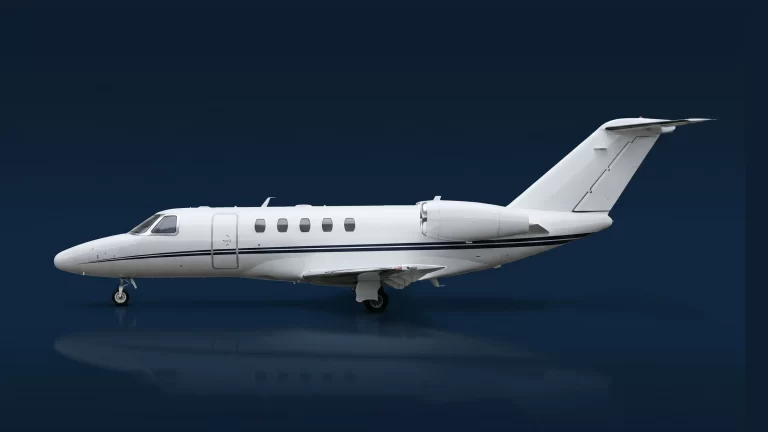
Light Jet
Cessna Citation CJ4
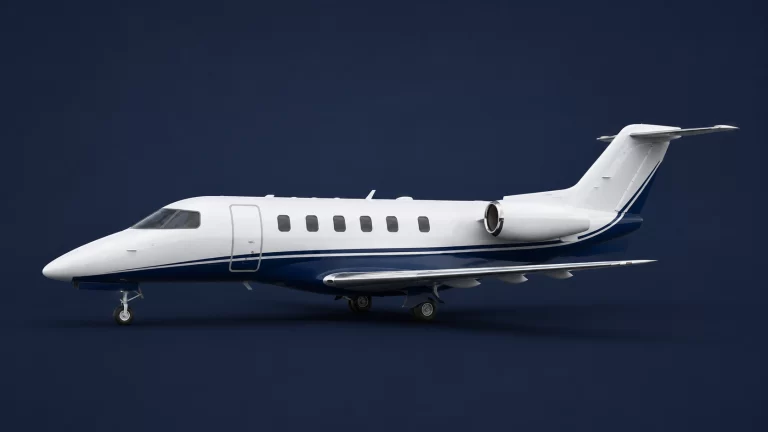
Super Light Jet
Pilatus PC-24
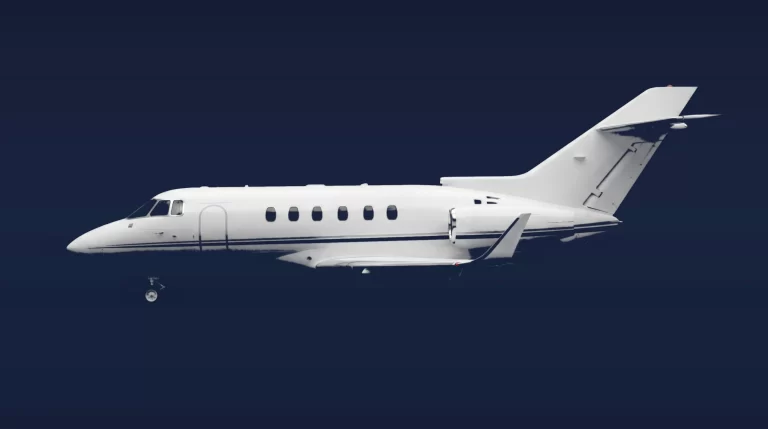
Midsize Jet
Hawker 900XP
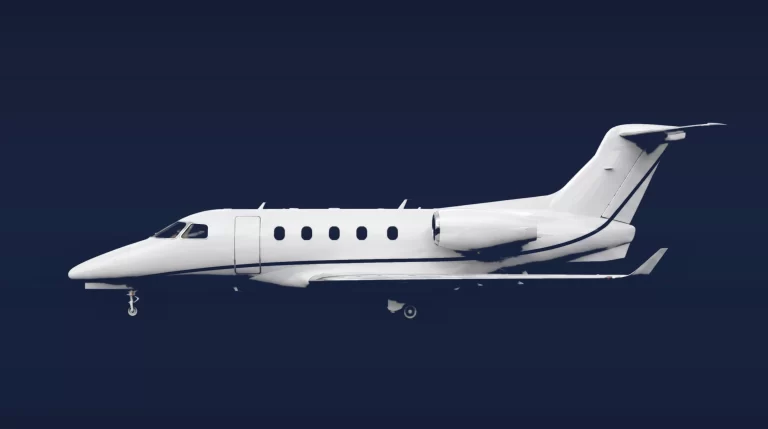
Super Midsize Jet
Gulfstream G280
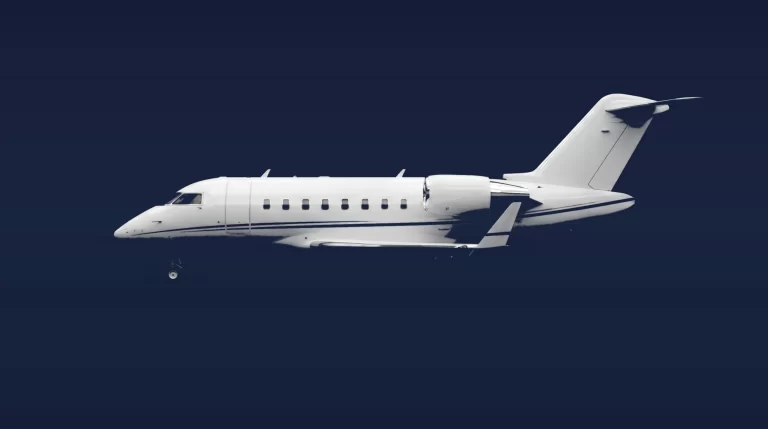
Heavy Jet
Bombardier Challenger 650
Real trip cost examples
An hourly rate only goes so far when you are budgeting a real trip. The routes below are benchmarks from our own quote book, each showing the block time, the cabin class that suits the leg and an all-in from-price. VAT and any per-passenger taxes sit on top; treat these as planning figures and ask us for a firm quote.
European routes
| Route | Block time | Class | From (GBP) | From (EUR) |
|---|---|---|---|---|
| London to Paris | 0h 52m | Light | from £7,150 | from €8,300 |
| Paris to Nice | 1h 17m | Light | from £7,150 | from €8,300 |
| London to Geneva | 1h 21m | Light | from £7,150 | from €8,300 |
| Nice to Olbia | 0h 53m | Light | from £7,150 | from €8,300 |
| London to Nice | 1h 42m | Super light | from £11,150 | from €13,000 |
| London to St. Moritz | 1h 36m | Super light | from £11,150 | from €13,000 |
| Paris to Ibiza | 1h 48m | Super light | from £11,150 | from €13,000 |
| London to Ibiza | 2h 07m | Super light | from £13,300 | from €15,500 |
| London to Olbia | 2h 08m | Super light | from £13,300 | from €15,500 |
| London to Malaga | 2h 26m | Super light | from £15,900 | from €18,500 |
| London to Mykonos | 3h 31m | Super midsize | from £32,650 | from €38,000 |
Long-haul to and from Europe
| Route | Block time | Class | From (GBP) | From (EUR) |
|---|---|---|---|---|
| London to Dubai | 7h 05m | Super midsize | from £66,150 | from €77,000 |
| New York to London | 7h 05m | Heavy | from £74,300 | from €86,500 |
| Miami to London | 8h 57m | Ultra long range | from £128,850 | from €150,000 |
Source: Jet Supply European Private Jet Price Index, Q4 2026, where the same routes are broken down by effective cost per block hour and per 100 km. Sterling converted at €1 = £0.8591, 7 September 2026.
A day return costs more than two one-way legs suggest
London to Geneva is the clearest example. One-way on a light jet starts around £7,150 (€8,300). Fly out and back the same day and you pay for both legs plus a crew wait on the ground, which lands the day return nearer £16,300 (€19,000). Waiting time is cheaper than repositioning the aircraft home and back, which is why same-day returns are quoted this way rather than as two separate trips.
For the cabin trade-offs behind each of these aircraft, see which cabin to choose.
What’s included, and the fees that sit on top
Our all-in hourly rate already carries the costs that other quotes bolt on afterwards: the aircraft and its crew, fuel, the positioning flights to bring the aircraft to you and away again, and landing and handling, which alone runs roughly €800 to €2,500 per movement at hubs like Nice, Geneva and Luton. A few things still sit on top of the rate, and the quote names each of them:
- VAT. Intra-EU and international charter flights are generally exempt (0%); a purely domestic flight carries the departure country’s rate (the UK 20%, Spain 21%, Germany 19%), reverse-chargeable with a valid local VAT registration.
- Carbon (EU ETS). Departures within the European Economic Area carry an emissions charge of roughly €200 to €500 per flight in 2026, and rising.
- National passenger taxes. France’s solidarity tax (TSBA) runs €420 to €2,100 per passenger; UK Air Passenger Duty rises by around 50% from April 2026.
- Peak-day surcharge. Event weekends such as Cannes, the Monaco Grand Prix and New Year in the Alps add 15 to 30%, occasionally 50% or more at the extremes.
- Bespoke catering and hard-winter de-icing, charged as used; de-icing can add €500 to €3,000+ on an Alpine departure in deep winter.
How positioning shapes the rate. How much positioning a trip carries is the main reason the band is wide, and it depends on where the aircraft is based relative to your departure airport. In practice a summer flight within Western Europe is typically priced with around thirty minutes of positioning before departure and another thirty after arrival. Further east the empty legs run longer: a departure from Vienna or Budapest is usually priced with around forty-five minutes of positioning, and one from Bucharest, Istanbul or Athens around an hour. That positioning, already inside the all-in rate, is what pushes the same aircraft toward the top of its band.
A note on tax. European charter VAT depends on the route: intra-EU and most international legs are generally exempt, while a purely domestic flight carries the departure country’s rate. (US guides, by contrast, quote a federal excise tax that does not apply to a European trip.) We are not tax advisers, and we confirm the treatment that applies to your specific trip on the quote rather than guess at a headline number here.
Because positioning, landing and handling are already inside the rate, the taxes and surcharges above are most of the difference between the all-in flying figure and your final invoice. A trip starting where the right aircraft is already based still costs less, since it carries less positioning into the rate to begin with.
What drives the price up or down
Beyond the size of the aircraft, four things move a charter quote more than anything else.
- Distance and flight time. You pay broadly by the hour, so a longer leg costs more. It also amortises the fixed fees better, which is why the cost per hour often looks more efficient on a long trip than a short one.
- One-way versus round-trip. A round-trip where the aircraft waits for you can be more efficient than two separate one-ways, because it avoids a second repositioning. A one-way may carry the cost of flying the aircraft back empty.
- Peak dates. Holidays, major sporting fixtures and events such as Cannes or Davos pull aircraft into short supply. Expect a 15 to 30% premium on peak dates, more at the extremes, and book earlier.
- Lead time. Short-notice trips cost more when the right aircraft is scarce, and occasionally less when an operator has a gap to fill. Flexibility on dates and airports is the cheapest lever you have.
How to pay less without flying a smaller cabin
There are honest ways to bring the number down. None of them involve compromising on safety or on the aircraft you actually need.
- Empty legs. When an aircraft has to fly somewhere empty to reposition, that leg can be chartered at a steep discount if your route and timing line up with it. We match empty leg flights to your route and timing where they line up.
- Right-size the aircraft. The most common overspend is chartering more jet than the trip needs. Four people on a two-hour European hop do not need a super midsize. We size the cabin to the party and the leg, which is the single largest saving available; see choosing a jet size.
- Flex your dates and airports. Moving a departure off a peak date, or using a quieter secondary airport near your origin, can change the quote materially. Telling us where you can flex lets us find it.
- Round-trip the same aircraft. Where your schedule allows, keeping one aircraft for the outbound and return avoids a second repositioning and is often cheaper than two one-ways.
What does it cost to charter a private jet in Europe?
Across Europe, the cost follows the same class logic above, with one advantage and one cost to keep in mind. The advantage: most of the continent is within reach of a light or midsize jet, the two most affordable classes, so a large share of European trips never need a heavy jet at all. The cost: the right aircraft is not always based where you depart, so repositioning can feature on shorter-notice trips, which is exactly the kind of thing an empty leg can offset.
For more on chartering across the continent, see our private jet charter in Europe guide. When you are ready, request a quote and we will turn every indicative figure on this page into a firm one.
How much is a private jet? 2026 prices at a glance
A private jet price is really two numbers: an hourly rate and a trip price. The hourly rate runs from about £1,800 an hour on a turboprop (€2,100) to over £19,350 on an ultra-long-range jet (€22,500), all-in. What you actually pay is the trip. A short European round-trip on a light jet typically lands between €16,000 and €26,000, a one-way on a midsize or super midsize between €25,000 and €55,000, and an intercontinental leg on a heavy or ultra-long-range jet from €90,000 upward. Private plane prices move most with the size of the cabin, then with the routing, the dates and how much positioning the trip carries. VAT and per-passenger taxes sit on top; positioning, landing and handling are already inside our rate. Because charter is priced per trip rather than per seat, the firm private jet price for your dates always comes from a quote.
Medical flights are arranged and priced differently from passenger charter — see our guide to medical repatriation and private air ambulance flights.
Frequently asked questions
How much is a private plane to charter?
A private plane charters for roughly €2,100 to €22,500 per flight hour, all-in, depending on the size of the aircraft. In trip terms, a short European round-trip on a light plane runs €16,000 to €26,000, and an intercontinental leg on a heavy jet starts around €90,000. Private plane prices are set per trip, not per seat, with VAT and passenger taxes on top.
What do private jet prices look like per hour?
Private jet prices run from about €2,100 an hour on a turboprop to over €22,500 on an ultra-long-range jet, all-in. The most-chartered European classes sit in the middle: a light jet from €4,700, a midsize from €8,600, a heavy jet from €12,200. The hourly figure is the starting point; your trip price adds the hours flown plus VAT and passenger taxes.
How much does a corporate jet cost to charter?
Corporate jet is another name for a business jet, and corporate jet prices follow the same class logic: from about €4,700 an hour on a light jet, through €8,600 on a midsize, to €12,200 and up on a heavy jet, all-in. A short European business round-trip typically runs €16,000 to €26,000. We quote each corporate trip individually.
What does a business jet cost for a typical European trip?
For a typical European trip, a light business jet runs €16,000 to €26,000 on a short round-trip, and a one-way on a midsize or super midsize sits between €25,000 and €55,000. The business jet cost depends on the cabin, the routing and the dates, all-in of positioning and handling, with VAT and passenger taxes on top.
How much does it cost to charter a private jet?
Indicatively €2,100 to €22,500 per flight hour, all-in, depending on the size of the aircraft. A short European round-trip on a light jet typically runs €16,000 to €26,000; an intercontinental leg on a heavy jet starts around €90,000. VAT and per-passenger taxes sit on top. We quote each trip individually.
How much does it cost to hire a private jet?
Private jet hire, rental and charter all price the same way. A light jet hires from around €4,700 per hour all-in, a midsize from €8,600, a heavy jet from €12,200. What you pay is a trip price built from the hours flown plus VAT and any passenger taxes, not the hourly figure alone.
What is the average private jet charter cost per hour?
There is no single average worth quoting: the per-hour figure runs from about €2,100 on a turboprop to over €22,500 on an ultra-long-range jet, all-in. The most-chartered European classes (light, super light and midsize) sit between roughly €4,700 and €13,200 per hour. The table above breaks it down by class.
What is the cost difference between light, midsize and heavy jets?
A light jet runs indicatively €4,700 to €7,500 per hour, a midsize €8,600 to €13,200, and a heavy jet €12,200 to €18,400. The step up buys range, cabin height and capacity. For the same trip a heavy jet can cost roughly twice the light-jet rate per hour, which is why right-sizing the aircraft is the largest saving most clients can make.
Why is the trip price higher than the hourly rate?
A trip is several hours of flying, and VAT, carbon and per-passenger taxes sit on top of the all-in hourly rate. Positioning, landing and handling are already inside our rate, so what is added on the invoice is mainly tax and any peak-date surcharge. The quote itemises each of these.
How can I charter a private jet more cheaply?
The reliable levers are empty leg flights (a repositioning flight chartered at a discount), right-sizing the cabin to the trip, flexing your dates off peak periods, and round-tripping a single aircraft instead of booking two one-ways.
Is private jet charter cheaper one-way or round-trip?
It depends on the routing. A round-trip where the aircraft waits for you can be more efficient because it avoids a second repositioning. A one-way may carry the cost of flying the aircraft back empty. We compare both on the quote.
How much does it cost to charter a private jet in Europe?
The same class logic applies. Because most of Europe is reachable on a light or midsize jet, many European trips avoid the heavier, costlier classes entirely. Repositioning can feature on short-notice trips, which an empty leg may offset.
Priced routes
What popular routes cost
One-way, indicative, whole aircraft. Each route page carries the number, the aircraft that fit, and a form with the route already filled in.
- Private jet London to Geneva
- Private jet London to Nice
- Private jet London to Milan
- Private jet Munich to Nice
- Private jet London to Copenhagen
- Private jet London to Lisbon
- Private jet London to Málaga
- Private jet London to St. Moritz
- Private jet London to Cannes
- Private jet London to Olbia
- Private jet London to Venice
- Private jet London to Antwerp
- Private jet New York to London
- Private jet London to Los Angeles
- Private jet New York to Dubai
- Private jet Miami to London